Why 'No Side Effects Reported' Isn't The Same As Risk-Free
A confident negative claim feels more reassuring than a hedged one — even when the hedged version is more accurate.
“No side effects reported” is one of the most reassuring-sounding phrases in supplement marketing. It's also, on its own, one of the least informative — and understanding why is a useful piece of critical thinking for any wellness product, including this one.
Absence of evidence isn't evidence of absence
This is a well-known logical distinction: not finding reports of a problem is different from confirming the problem doesn't exist. A brand can accurately state “no side effects reported” simply because no one filed a formal report — not because a rigorous safety study ruled them out. The phrase can be technically true and still tell you very little about actual risk.
Why this phrase feels more reassuring than it should
Psychologically, a confident negative statement (“no side effects”) reads as more authoritative than a hedged one (“side effects have not been systematically studied”), even when the hedged version is more accurate. People tend to process confident claims faster and with less scrutiny — which is exactly why marketing leans toward the confident phrasing rather than the more honest, qualified one.
What the phrase is usually standing in for
For most dietary supplements, including fiber-based cognitive formulas, the more accurate statement is something like: some people may experience mild digestive adjustment, particularly in the first few weeks, and formal interaction studies with specific medications generally haven't been conducted. That's a real, useful piece of information — and it's different from an unqualified “no side effects.”
What actually helps here
A few concrete habits close this gap:
- Reading “no side effects reported” as “no reports have surfaced,” not as a completed safety study
- Checking whether the ingredients are individually known to cause any common, mild reactions (like fiber-related digestive adjustment) regardless of what the marketing says
- Consulting a doctor before starting any new supplement if you're pregnant, nursing, or on medication, regardless of how confident the safety language sounds
That's exactly why we describe the real, honest digestive-adjustment window for this formula's fiber ingredients rather than a blanket “no side effects” claim — see it in all 5 ingredients explained.
The honest caveat
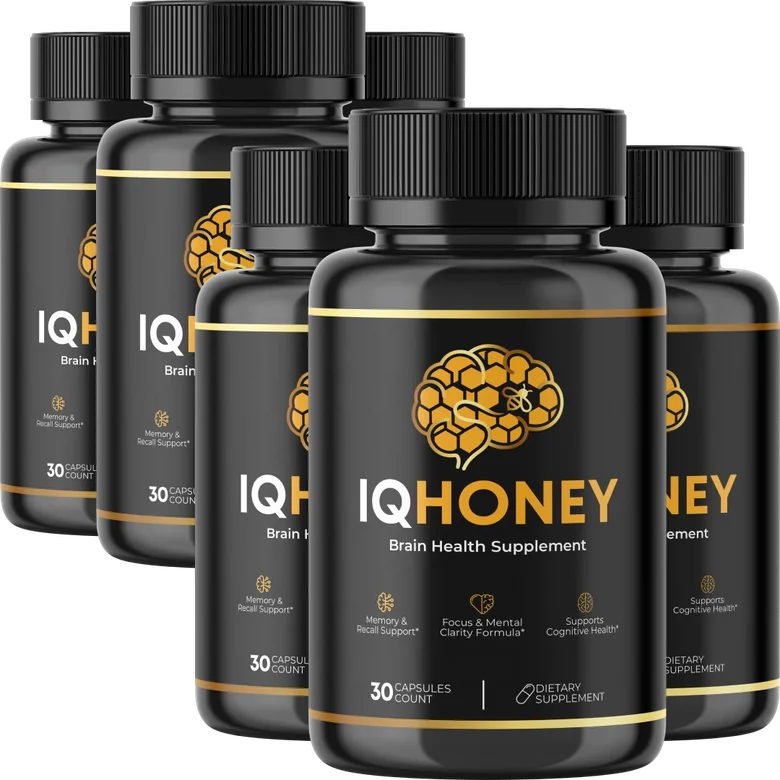
None of this means IQ Honey or similar products are unsafe — most dietary supplements are well tolerated by most people. It means a confident absence-of-evidence claim deserves the same scrutiny as any other marketing claim, not automatic trust.